Thailand attracts millions of visitors each year — and not all of them come for the beaches. The country has quietly established itself as one of the world's leading destinations for medical tourism, drawing patients from Europe, Australia, the Middle East, and beyond. With world-class hospitals, highly trained specialists, and costs that are a fraction of what you'd pay at home, it's easy to see why so many people are choosing to combine healthcare with travel.
What makes Thailand's healthcare system stand out
Thailand's private hospitals consistently rank among the best in Asia. Facilities like Bumrungrad International Hospital in Bangkok and Bangkok Hospital have earned international accreditation from the Joint Commission International (JCI), the gold standard for healthcare quality worldwide. These hospitals invest heavily in cutting-edge equipment, multilingual staff, and patient services designed to cater to international visitors. The standard of care is genuinely comparable to what you'd find in the UK, US, or Australia — often delivered faster and with shorter waiting times.
Common treatments sought by international patients
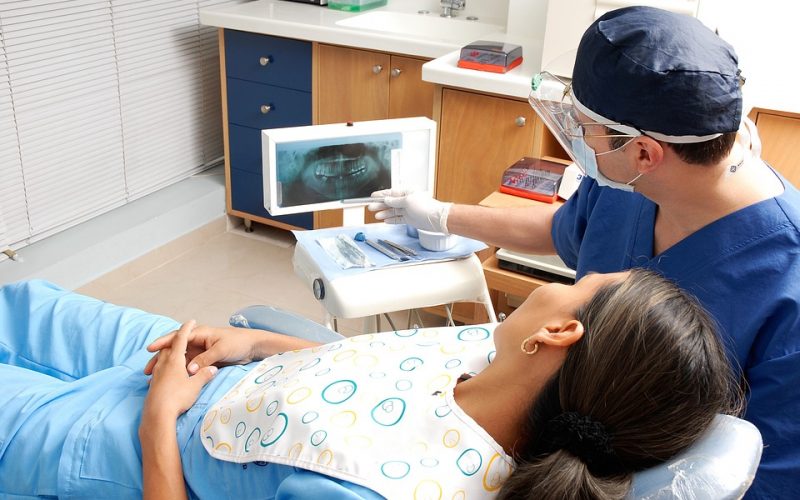
The range of procedures available in Thailand is remarkably broad. Dental work is one of the most popular draws, with cosmetic dentistry and implants available at a fraction of UK prices. Elective surgeries — including orthopaedic procedures, cosmetic surgery, and bariatric operations — are also common. Thailand has developed a particular reputation for gender-affirming surgeries, attracting patients from across the globe for specialist procedures performed by highly experienced surgeons. Fertility treatments, cardiac care, and cancer screenings are equally sought after by those looking for affordable, high-quality options.
The cost advantage
Cost is often the deciding factor for medical tourists. In Thailand, patients can expect to pay between 50% and 70% less than they would in Western countries for comparable procedures, even when factoring in flights and accommodation. A dental implant that might cost £2,500 in the UK can often be completed for under £700 in Bangkok. Hip replacement surgeries, which carry long NHS waiting times and significant private costs at home, are frequently carried out at a fraction of the price. For many patients, the savings alone cover the entire cost of the trip.
Things to consider before travelling for treatment
Seeking medical care abroad requires careful planning. Researching your chosen hospital thoroughly is essential — look for JCI accreditation, read patient reviews, and confirm the qualifications of the specific surgeon or specialist you'll be seeing. It's also worth consulting your GP at home before travelling, particularly if your procedure requires follow-up care or involves any anaesthetic. Travel insurance policies vary widely in how they handle pre-planned medical procedures, so reviewing the fine print is critical. Ideally, plan for a recovery period in Thailand before flying home, as long-haul travel too soon after surgery can carry risks.
Navigating aftercare and communication
One of the more underappreciated aspects of medical treatment in Thailand is the level of support available to international patients. Most major private hospitals have dedicated international patient centres staffed with multilingual coordinators who manage everything from appointment scheduling to translation services and transport. Many hospitals also offer telemedicine follow-up consultations after you've returned home, helping to bridge the gap between overseas treatment and local aftercare. Building a clear communication plan between your Thai medical team and your GP back home is a sensible precaution.
Is medical treatment in Thailand right for you
Thailand offers a compelling case for those exploring their healthcare options internationally. The combination of internationally accredited hospitals, skilled specialists, significantly lower costs, and strong patient support infrastructure makes it a genuinely viable choice — not just a budget alternative. That said, the decision to seek treatment abroad is deeply personal and should be made with thorough research, professional guidance, and a realistic understanding of both the benefits and the logistics involved. For many patients, Thailand delivers exceptional care. The key is going in well informed.